
A Comparison Where We Lose Either Way: Concrete Grinding vs Leveling
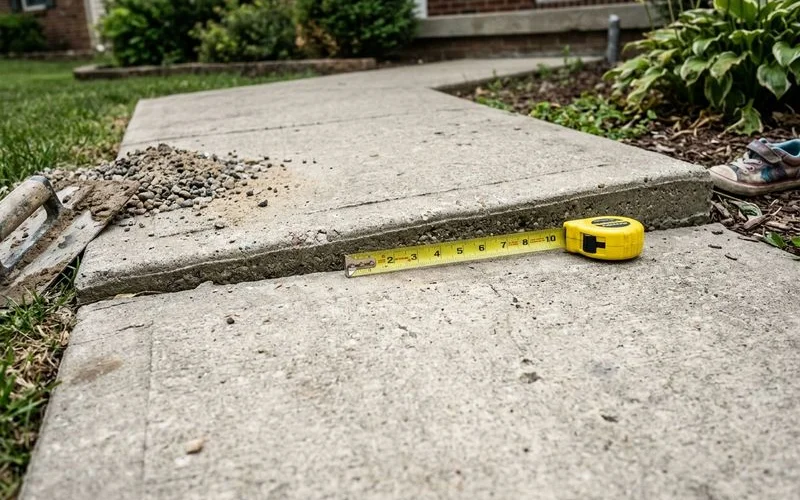
Homeowners constantly ask if they should choose concrete grinding vs leveling when fixing an uneven walkway. The truth is that a 1/4-inch offset on your front path represents a major tripping hazard.
CT Pro Concrete Leveling lifts sunken concrete back into place across the Hartford area instead of tearing it out.
We actually do not offer edge grinding.
This page either sends you to someone else or tells you to spend more money. The reality is there is no version of this guide that reads as a sales pitch.
Our team believes an honest opinion holds value when you need to decide between two completely different quotes. You will see exactly what each method does in the breakdown below.
What Each One Does
Edge grinding cuts away the raised lip of a concrete slab to make it flush, while foam lifting pumps material underneath to raise the low side. Both methods eliminate dangerous tripping hazards.
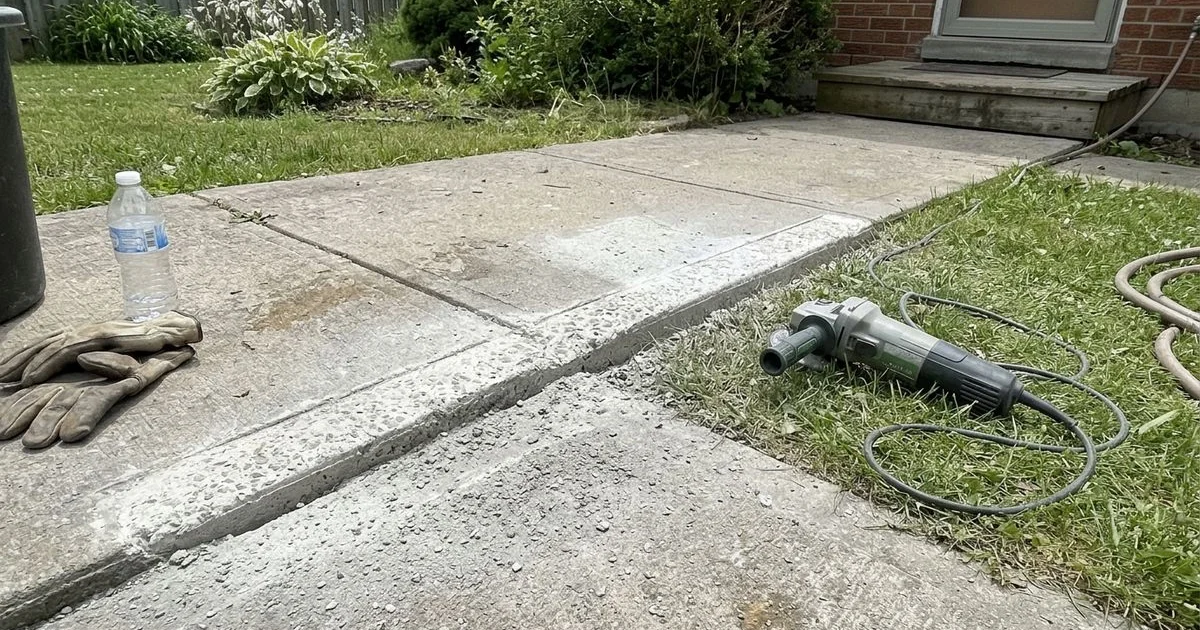
A contractor uses a diamond-tipped grinder to remove material from the top of the higher slab. The concrete stays in its exact original position, and you just lose the top layer.
Our preferred approach uses high-density polyurethane to fill the cavity under the sunken slab. The foam expands rapidly to push the concrete back to its original level. You can read exactly how Walkway leveling covers the method in detail.
Here is a quick look at the core differences:
- Material removal vs addition: One grinds away the surface, while the other adds support underneath.
- Cure time: Polyurethane foam cures in 15 minutes, letting you use the walkway immediately.
- Soil stabilization: Foam lifting strengthens weak ground, whereas grinding ignores the soil entirely.
Where Grinding Is the Right Answer
Grinding makes sense only when the offset is minor, the ground has fully settled, and the walkway is mostly intact. All three of these specific conditions must be present for grinding to work.
- The offset is small: The Americans with Disabilities Act defines a trip hazard as a 1/4-inch vertical change. Grinding easily removes this minor lip, but a massive step requires cutting too deep into the structure.
- The slab has stopped moving: Hartford area soils experience intense freeze-thaw cycles that shift concrete. If the ground has fully consolidated and lacks an active water path, removing the lip offers a permanent fix.
- The path is otherwise sound: You should only grind an isolated joint. Grinding five different joints along a single path leaves a highly irregular surface that feels terrible to walk on.
We recommend grinding when these conditions hold true. This method is cheaper, faster, and completely sufficient for a stable, minor lip.
What Grinding Leaves Behind
Grinding concrete permanently changes its appearance by exposing the rough aggregate beneath the smooth surface. You need to know this visual trade-off before hiring a contractor.
A diamond-tipped grinder shaves off the top layer of cement. The newly exposed ground area features a different texture and color than the surrounding weathered surface.
This strip looks rougher and much lighter. Decorative or stamped concrete loses its finish entirely in that specific spot.
A single trip hazard grinding job typically costs between $150 and $400 in the US, making it a cheap fix with a high visual cost.
Most people accept this cosmetic trade happily on a plain utility walkway. A ground edge on a stamped patio or a formal front entrance stands out as a glaring visual defect.
The Question That Actually Decides It
You must determine if the concrete slab is still actively settling. This single question dictates whether grinding is a permanent solution or a temporary band-aid.
Our crew sounds every slab with a heavy steel rod before recommending either option. A hollow thud under the low slab indicates a massive cavity underneath.
A cavity means the settlement mechanism remains completely active. Winter freeze-thaw cycles enlarge the void, and the heavy concrete keeps dropping into it.
Grinding a lip off a moving slab buys you perhaps two winters before the step returns. You end up grinding a slab you already thinned, and by the third time, the material is gone.
A slab that sounds solid usually lacks a water path feeding it. That solid concrete is your ideal grinding candidate.
| Situation | Better Option | Why It Makes Sense |
|---|---|---|
| Small lip, solid-sounding slab, single joint | Grinding | Cheaper, highly sufficient, and completely permanent. |
| Small lip, hollow-sounding slab | Foam Lifting | Grinding only buys two winters before the slab sinks again. |
| Large step, structurally sound slabs | Foam Lifting | A large offset requires removing too much structural material. |
| Several stepped joints along a run | Foam Lifting | Grinding every joint makes the walking path dangerously irregular. |
| Decorative or finished surface | Foam Lifting | Grinders destroy the expensive stamped finish. |
| Slab pushed up by a large tree root | Neither alone | The destructive tree root has to be handled first. |
The Small Offset That Signals Something Bigger
A minor lip often serves as the first visible symptom of a cavity that continues to grow. Grinding the edge simply hides the evidence while the underlying washout gets worse.
You might fix the initial trip hazard, but a larger step will soon appear somewhere else on the same walkway. The soil erosion carries on untouched.
Why Sounding Trumps Measuring
Our sounding test matters far more than a simple tape measurement. A small offset resting on solid ground constitutes a genuinely small problem.
That identical small offset over a hollow void represents the early stage of a massive structural failure. Fixing the root cause with structural polyurethane foam is the smartest small offset concrete repair method at this stage.
The Trip hazard thresholds guide covers exactly when an offset becomes a genuine safety issue regardless of which fix you choose.
What We’ll Tell You
At the initial inspection, a technician measures every offset on the run and sounds each slab. We actively look for the water source feeding the washout underneath.
Based on what the ground reveals, here is exactly what to expect:
- If the slab stopped settling: Grinding is your cheaper option. We will plainly tell you that we do not offer this service, and you will need a local provider for concrete edge grinding CT projects.
- If the slab is still moving: Lifting is required to prevent further damage. Our team will explain exactly why grinding acts as a two-year fix and quote you for a polyurethane lift.
The high-density foam cures in 15 minutes, permanently stabilizing the soil.
Either way, you get the concrete grinding vs leveling assessment in writing at no charge. You can Get an honest assessment and decide the best path forward from there.